Turkish is the official language of Turkey and one of the more approachable languages a traveller can dip into, thanks to a spelling system that is refreshingly logical. A few words go a long way here — locals genuinely appreciate the effort, and it opens doors that English alone will not.
A Turkic language
Turkish, or Türkçe, belongs to the Turkic language family, which stretches across Central Asia. It is not related to Arabic or Persian, despite having borrowed vocabulary from both over the centuries, and it is quite unlike the Indo-European languages of most of Europe. Its closest relatives are the languages spoken in Azerbaijan, Turkmenistan and further east, which is why a Turkish speaker can pick up fragments of those tongues.
The Latin alphabet
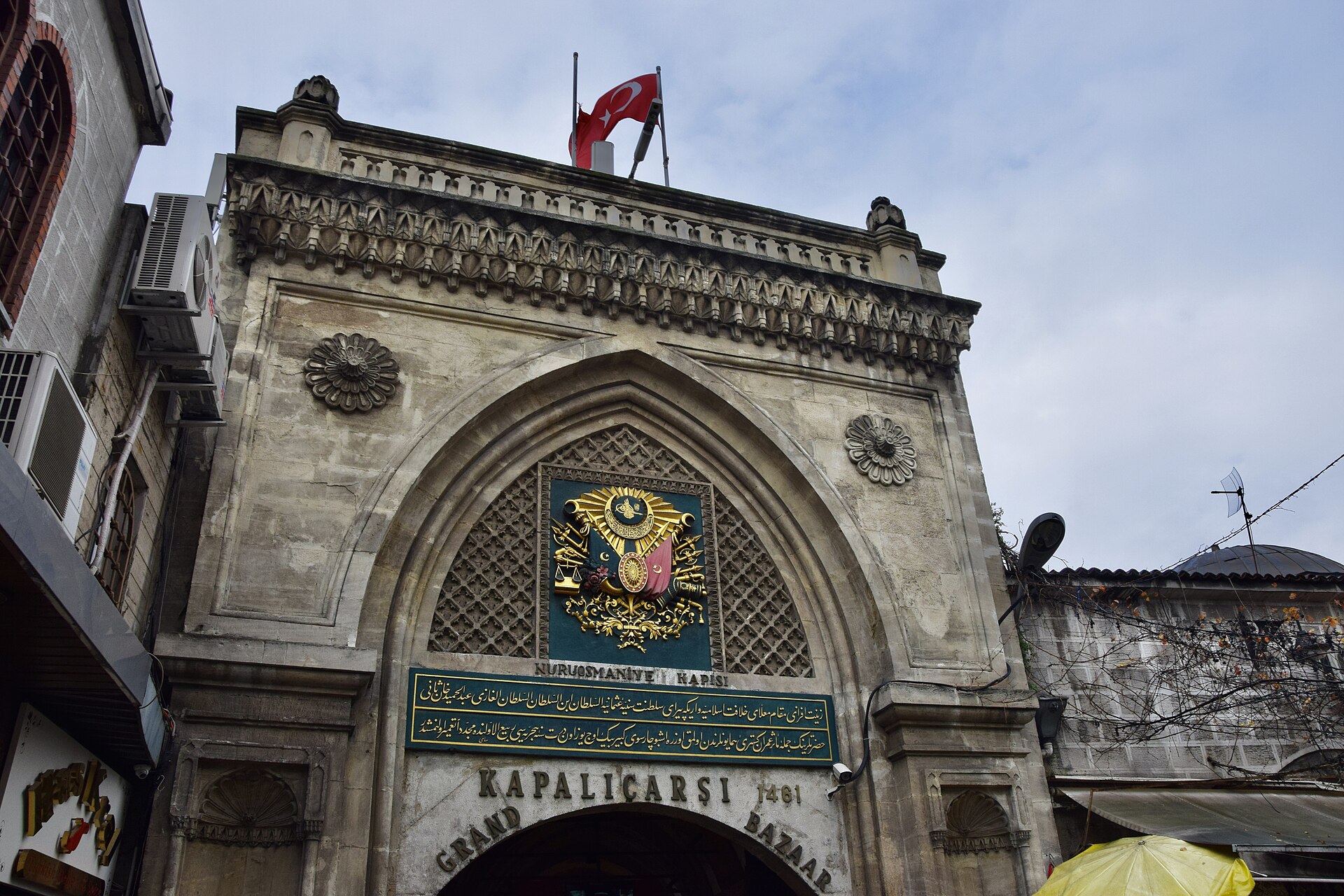
One of the first things visitors notice is that Turkish is written in the Latin alphabet, the same script as English, so signs and menus are at least readable even before you know the words. This was not always the case. Until 1928 Turkish was written in a version of the Arabic script; that year, as part of the sweeping reforms led by Atatürk, the founder of the modern republic, the country switched to a modified Latin alphabet designed to fit Turkish sounds. Letters such as ç, ş, ğ, ı and ü were added, and spelling was made almost perfectly phonetic — words are pronounced exactly as they are written.
How the language works
Turkish is agglutinative, which means it builds long words by stacking suffixes onto a root, each adding a piece of meaning. Where English might use several separate words, Turkish often glues them into one. It also follows vowel harmony, a rule whereby the vowels in a word’s endings shift to match the vowels in its root, giving the language a smooth, patterned sound. These features make Turkish look daunting at first, but the underlying grammar is remarkably regular, with very few of the exceptions that plague English.
Useful phrases
You do not need to master the grammar to make a good impression. A small set of phrases covers most everyday situations:
- Merhaba — hello
- Teşekkür ederim — thank you
- Lütfen — please
- Evet / Hayır — yes / no
- Ne kadar? — how much?
Add günaydın (good morning), afiyet olsun (enjoy your meal) and güle güle (goodbye, to someone leaving) and you will have the tools for many friendly exchanges. Because the spelling is phonetic, once you learn the handful of special letters you can read any word aloud with confidence.
Where English will get you
English is widely spoken in tourist areas — in the hotels, restaurants and shops of Istanbul, along the resort coasts around Antalya and Bodrum, and at major sites such as Ephesus and Cappadocia. In these places you can travel comfortably with English alone.
Step off the well-trodden routes, though, and English becomes much rarer. In smaller towns, rural villages and much of central and eastern Anatolia, few people speak it, and this is exactly where a few Turkish words earn their keep. A translation app on your phone is a sensible backup, but even a stumbling teşekkür ederim tends to be met with a smile.
Other languages
Turkish is not the only language spoken within the country. Kurdish is the mother tongue of the large Kurdish minority in the south-east, and Arabic is spoken in communities near the Syrian border and beyond. You will not need either as a visitor, but they are part of the country’s linguistic mix and a reminder of its position at the meeting point of several worlds.
Ready to put a few words to use? Explore our destinations and start planning where to go.