
Turkey does not have one climate — it has several, and they can feel like different countries. The peninsula is large, ringed by three seas and split by mountain ranges, so weather that suits a beach holiday on one coast can coincide with snow a few hundred kilometres inland. Here is how the main regions behave.
The Mediterranean and Aegean coasts
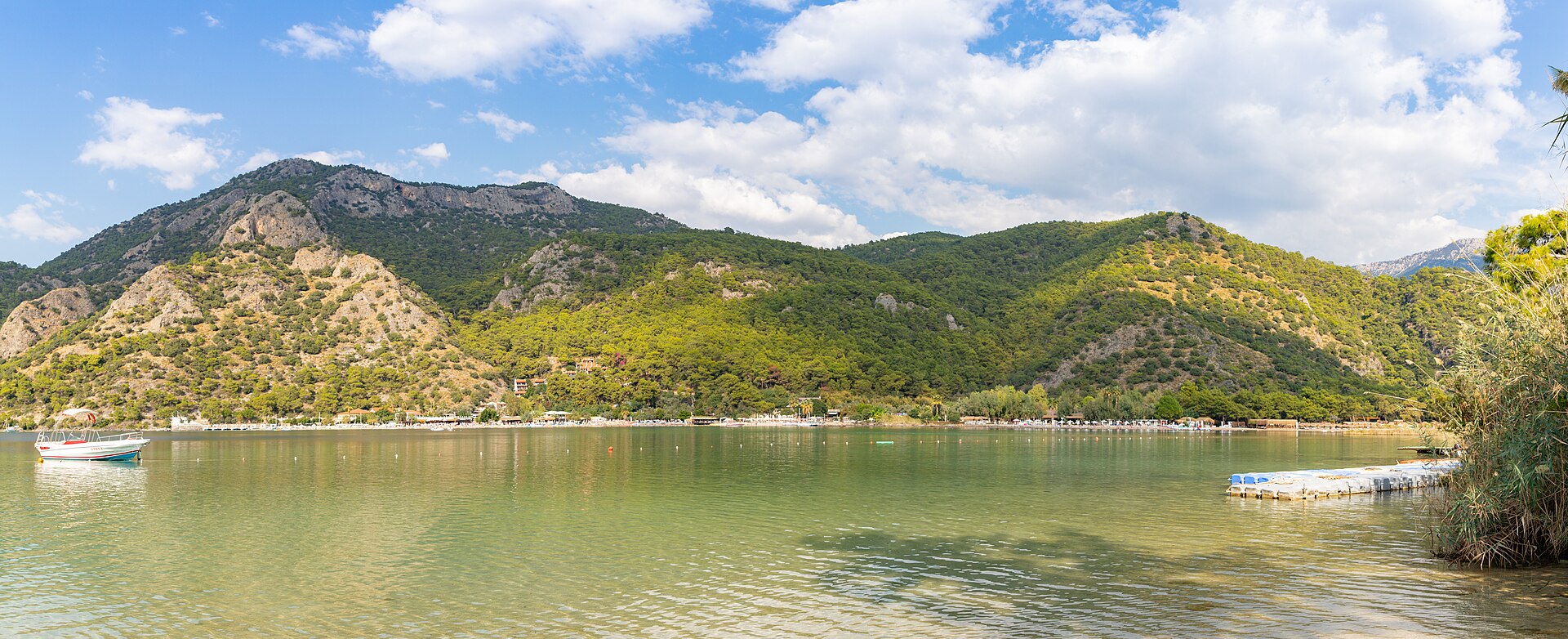
The southern and western shores have a classic Mediterranean climate: hot, dry summers and mild, wet winters. This is the sunniest part of the country and the reason the coast draws such crowds. Around Antalya and along the Aegean near Bodrum, summers run long and rainless, while winters stay gentle, with rain arriving in short bursts rather than settling in.
The practical upshot is a long swimming season. Sea temperatures on the south coast warm up from roughly late spring and stay comfortable through to mid-autumn, with the warmest water in July and August and plenty of residual heat in September. Winter swimming is for the hardy, but the beaches themselves stay mild and walkable.
Central Anatolia and Cappadocia
Move inland and the sea’s moderating influence disappears. The central plateau, including Cappadocia, has a continental climate of extremes: hot, dry summers with fierce midday sun, and cold, snowy winters. Nights can be cool even in summer thanks to the altitude, and the temperature swing between day and night is large. Snow settles over the Cappadocian valleys in winter, which is why the region looks so different depending on when you come.
The Black Sea coast
The northern coast is the odd one out. Sheltered by mountains that trap moisture, the Black Sea region is humid, green and rainy for much of the year, with no reliably dry season. Summers are warmer but still prone to showers, and the landscape stays lush and forested as a result — tea and hazelnuts grow here for good reason. Pack a waterproof whatever the month.
Istanbul and the north-west
Istanbul sits at a crossroads of climates and gets a bit of everything: warm, humid summers, cool and damp winters with the odd snowfall, and changeable, breezy shoulder seasons. It is comfortable in spring and autumn, sticky in high summer, and moody but rewarding in winter. Rain is possible across much of the year, so an umbrella rarely goes to waste.
The mountainous east
Eastern Turkey is higher, harsher and more extreme. Winters here are long, cold and snowy, closing some mountain roads and passes for months, while summers are short and can be pleasant. This is the region to approach with the season firmly in mind: it is best explored from late spring through early autumn, and demands serious preparation in the cold months.
Altitude and the day-to-night swing
One thing that catches visitors out is altitude. Much of inland Turkey sits high above sea level, and elevation does as much as latitude to shape the weather. Cappadocia and the central plateau can be hot at midday and genuinely chilly after dark in the same summer week, so even a warm-season trip inland benefits from a layer for the evening. The eastern highlands are higher still, which is why their winters bite so hard and their seasons feel compressed. On the coast, by contrast, the sea keeps both the highs and the lows in a narrower band, making the weather feel steadier day to day.
Rain, and when to expect it
Rain patterns follow the same regional split. The south and west get their rain in the cooler half of the year and stay largely dry through summer, so a summer beach trip is a safe bet for sunshine. The Black Sea coast can produce a shower in any month and rewards a packed waterproof. Istanbul and the interior fall in between, with unsettled spells most likely in the shoulder seasons and winter. None of this need derail a trip — it simply pays to pack for the region and season you have chosen rather than for an imagined single Turkish climate.
Planning around the climate
Because the country is so varied, the smart move is to match your route to the season rather than expecting one forecast to cover the whole trip. A summer plan built around the coast makes sense; a summer plan built around inland ruins fights the heat. To see how the regions line up before you decide when to travel, browse our destinations overview.