
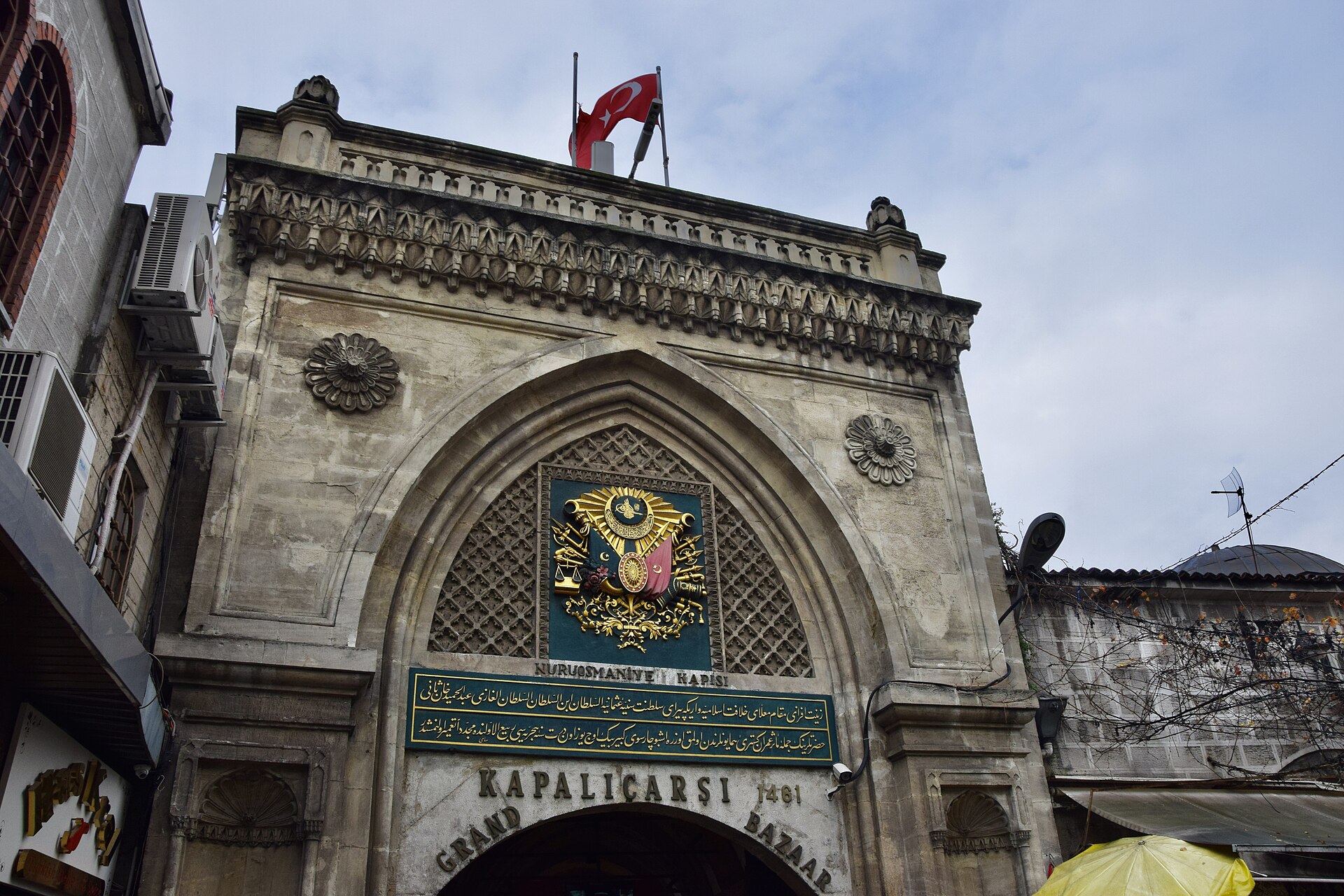
Turkey is one of the better-value destinations within easy reach of Europe, and for visitors bringing in foreign currency the weak lira stretches a long way. That does not mean everything is cheap — the popular resorts and the summer coast charge accordingly — but with a little know-how you can travel comfortably here without spending heavily.
What things cost, by tier
Rather than quote figures that date quickly, it helps to think in tiers. Across meals, transport, attractions and accommodation, the gap between the budget and the higher-end experience is wide, which is exactly what makes Turkey so flexible.
- Budget. Street food and neighbourhood lokantas (simple canteen-style restaurants), long-distance buses and city transit, family-run guesthouses and dorms, and the many low-cost or free sights. This tier goes remarkably far.
- Mid-range. Sit-down restaurants with table service, the odd domestic flight to save time, comfortable three- and four-star hotels, and paid tours and site entries. Still reasonable by Western European standards.
- Higher-end. Boutique cave hotels in Cappadocia, design hotels in Istanbul, fine dining, private guides and experiences like a balloon flight. Comfortably affordable compared with equivalents in much of Europe, though the top coastal resorts in peak season close the gap.
Where you land on this scale is largely your choice, and mixing tiers — a splurge on a cave hotel, thrift on the buses — is the way many travellers get the most from a trip.
Eating well for less
Food is where Turkey rewards you most. The best value and often the best flavour comes from eating where locals eat: lokantas ladling out home-style stews, bakeries, kebab and pide shops, and street stalls selling simit, roasted chestnuts and stuffed mussels. A çay (tea) costs almost nothing and buys you a seat and an atmosphere. Tourist-strip restaurants with menus in five languages and a waiter waving you in are usually the priciest and least interesting option.
Travelling cheaply
Getting around need not cost much. The intercity bus network is comfortable and inexpensive, ideal for medium distances, while domestic flights booked a little ahead can be very cheap for the longer hauls. In the cities, public transport is excellent value — an İstanbulkart covers Istanbul’s trams, metros and Bosphorus ferries for a pittance. Choose accommodation a street or two back from the main sights to cut costs without losing convenience.
Bargaining, cash and tipping
A few local customs are worth knowing:
- Bargaining is expected in the bazaars and with market traders, less so in fixed-price shops. Stay friendly, take your time, and be ready to walk away — it is part of the ritual, not a confrontation.
- Cash still matters. Cards work in cities and larger establishments, but markets, small eateries, local transport and rural spots often prefer lira, and cash strengthens your hand when haggling.
- Tipping is modest and appreciated rather than demanded. Round up or leave a small percentage in restaurants, and offer a little to helpful guides and hotel staff.
Where the costs creep up
It helps to know where a budget quietly leaks. Peak-season coastal resorts in July and August are the priciest corner of the country, so the same trip a few weeks either side of the peak costs noticeably less. Balloon flights, private guides and premium day tours are worthwhile but add up fast, so pick the one or two experiences that matter most rather than booking everything. And airport transfers, bottled drinks and tourist-strip cafés each seem small but mount over a fortnight. None of these are traps exactly — they are simply the places where being a little deliberate saves the most.
Free and cheap highlights
Some of Turkey’s finest experiences cost little or nothing: wandering the lanes and markets of Istanbul, watching the Bosphorus ferries come and go, walking the valleys of Cappadocia, or simply lingering over tea and people-watching in a city square. Sunsets, scenery and street life are free everywhere. For ideas on where to spend both your time and your money, our destinations overview lays out the options across the country.