
Turkey is a big country with several climates, so there is no single right answer — but for most people the balance tips clearly towards spring and autumn. Below is how the year breaks down by region and by what you actually want to do.
Spring and autumn: the all-round sweet spots
April to June and September to October are the strongest windows almost everywhere. Days are mild to warm, the light is good, the wildflowers or autumn colour are out, and the crowds that swamp the coast in high summer have thinned. This is the ideal time for combining culture and coast: you can walk the ruins at Ephesus or explore the valleys of Cappadocia without wilting, then still swim off the southern beaches by late spring and into mid-autumn. If you only have one trip and want to see a bit of everything, aim here.
High summer: beaches yes, sightseeing less so
July and August are peak season on the Mediterranean and Aegean, and the resorts around Antalya and Bodrum are at their busiest and priciest. The sea is at its warmest and the beach-holiday atmosphere is in full swing, so if sun and swimming are the point, this works well. Inland is the harder sell: central Anatolia and Cappadocia are hot and dusty, with scorching middays that push activity to early morning and evening. Istanbul turns humid and heavy. It is still doable, but plan around the heat rather than through it.
Winter: quiet, cheap and atmospheric
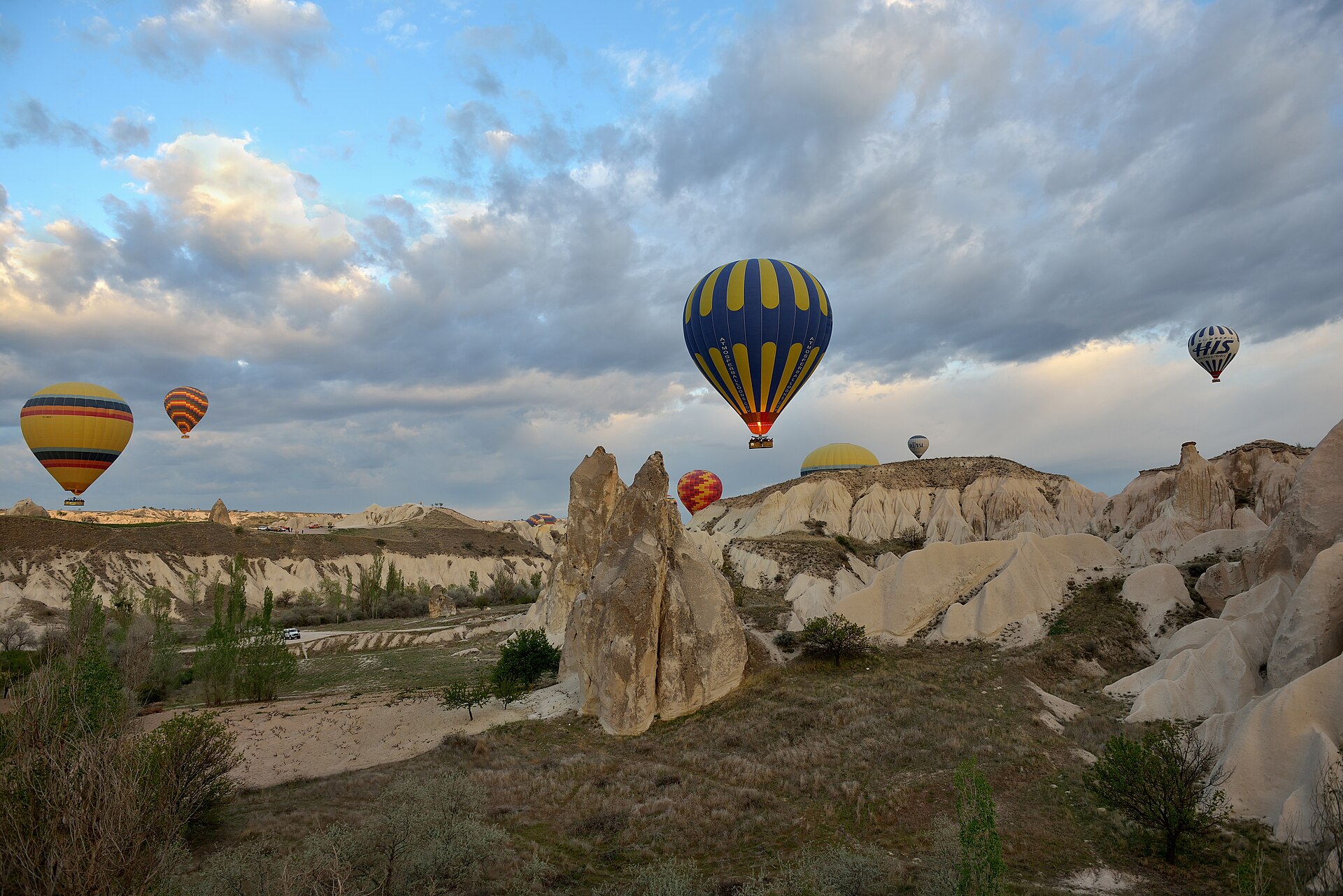
November to March is the low season, and that brings real advantages if you know what you are after. Istanbul is arguably at its most atmospheric under grey skies and the occasional dusting of snow, with warm bathhouses and steaming street food to match — and prices well below summer. Cappadocia under snow is genuinely beautiful, and balloons still take to the air whenever conditions allow, though cancellations are more frequent. Turkey also has a proper ski scene: Uludağ above Bursa is the most accessible, and Palandöken near Erzurum in the east offers longer, higher runs. The trade-off is that most beach towns effectively shut down, with seasonal hotels and restaurants closed until spring.
Choosing by what you want to do
- Beach and swimming: late May to early October on the south coast, with July and August warmest but busiest. Sea temperatures stay comfortable well into autumn.
- Sightseeing and ruins: April–June or September–October, when you can walk all day without the summer heat.
- Hot-air ballooning in Cappadocia: balloons fly year-round weather permitting; clear, calm spring and autumn mornings give the best odds, while winter adds snow but more cancellations.
- City breaks in Istanbul: rewarding in any season. Spring and autumn are mildest; winter is cheapest and moodiest; summer is humid and crowded.
- Skiing: roughly December to March at Uludağ and Palandöken.
The shoulder-season case
If you can only travel at the edges of the peak, the shoulder months reward you. Late April and May bring green landscapes, comfortable walking weather and a coast that is open but not yet heaving; September and October hold onto summer’s warmth while the crowds and prices ease. These weeks also tend to give the steadiest conditions for balloon flights over Cappadocia, since the extremes of summer heat and winter storms are behind or ahead of you. The main trade-off is that the very start and end of the season can be unsettled, so build a little flexibility into a coast-and-swimming plan pitched right at the margins.
A note on timing and events
Two things are worth checking before you lock in dates. Ramadan shifts each year and changes the rhythm of daily life, especially in more conservative and rural areas — many visitors enjoy the evening atmosphere, but some businesses keep different hours. And Turkish school and public holidays can briefly fill domestic flights, buses and coastal resorts, so booking ahead around those helps. If your heart is set on a particular experience — a snowy Cappadocia sunrise, a long lazy fortnight on the Aegean — work outwards from that first, then slot the rest of the country around it.
For a fuller sense of how the regions differ before you settle on when to go, browse our destinations overview — the right season often depends as much on where you are heading as on the calendar itself.