
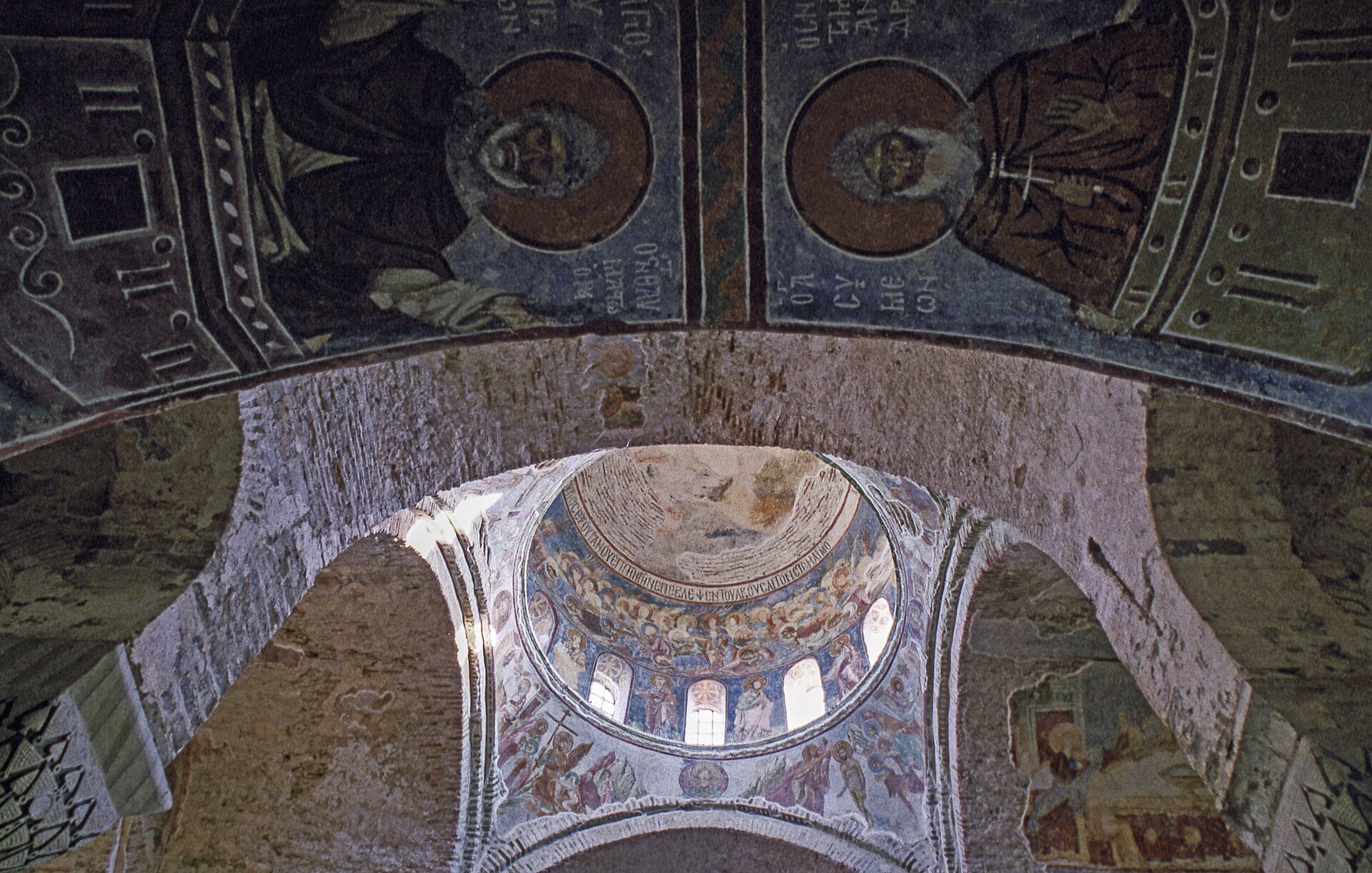
For a thousand years, the centre of the eastern Mediterranean world was a single city on the Bosphorus. The Byzantine Empire — the Greek-speaking, Christian continuation of Rome — ruled from Constantinople through triumph and slow decline, and its mark on modern Istanbul is impossible to miss.
A new capital on the Bosphorus
In 330 AD the emperor Constantine re-founded the old Greek city of Byzantium as Constantinople, and made it the capital of the eastern half of the Roman Empire. The site was superbly chosen: a defensible peninsula commanding the narrow water between Europe and Asia, controlling trade between the Black Sea and the Mediterranean. As Rome in the west faltered and fell, the eastern empire endured, and historians came to call it Byzantine after the city’s original name.
Justinian and the age of Hagia Sophia
The empire reached an early peak in the 6th century under Justinian, who recovered lost territory and codified Roman law in a form that shaped legal systems for centuries. His greatest monument still stands.
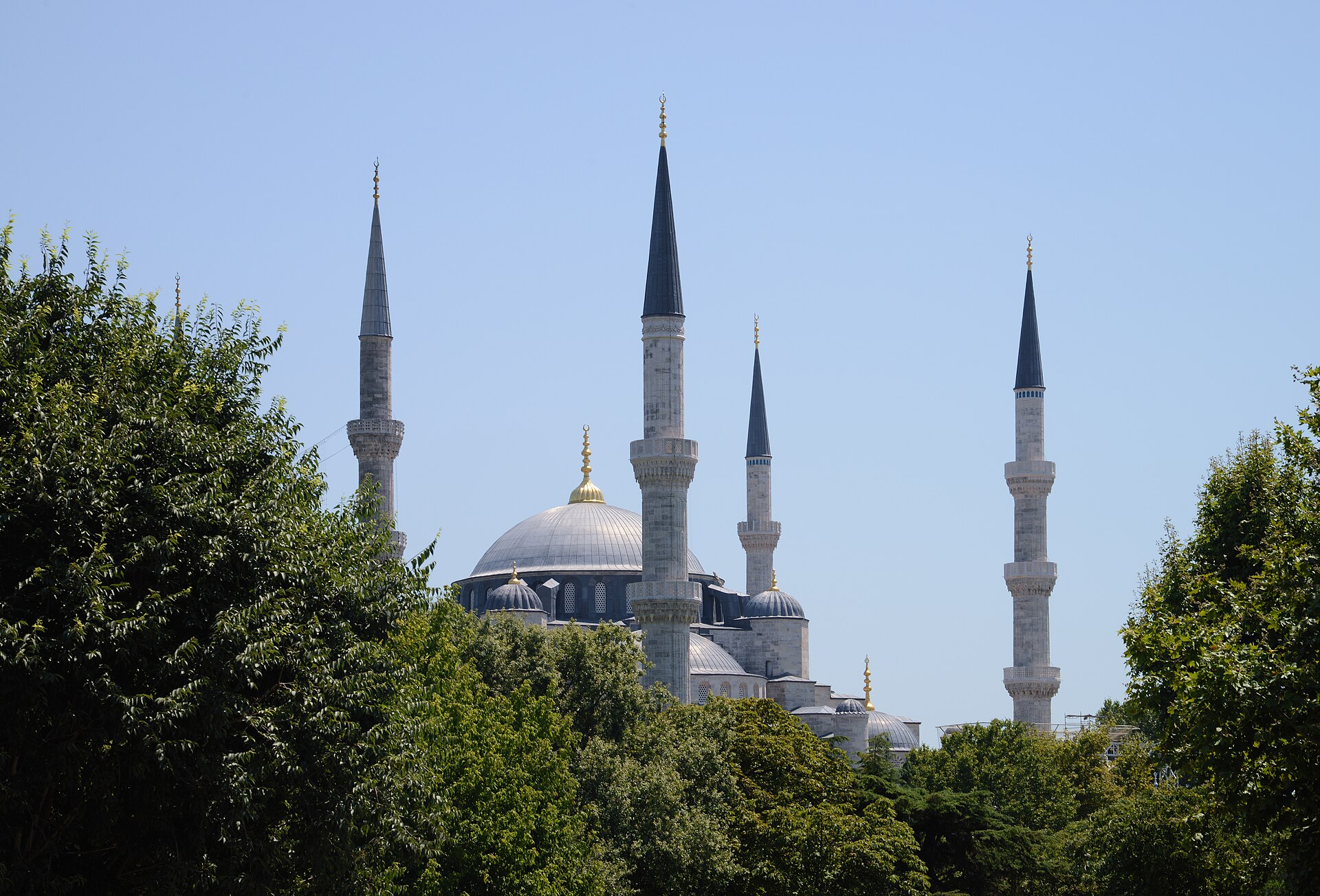
Hagia Sophia, completed in 537, was for centuries the largest cathedral in the world. Its enormous dome seems to float on a ring of light, an effect that astonished visitors then and now. It served as the spiritual heart of Orthodox Christianity and the setting for imperial ceremony, and it remains the single most famous building in Istanbul.
Faith, art and endurance
For most of its long life, Constantinople was the seat of Orthodox Christianity and the richest, most sophisticated city in the Christian world. Byzantine artists perfected the golden mosaic and the icon; its scholars preserved Greek and Roman texts that might otherwise have been lost, keeping classical learning alive through centuries when much of it faded in the west. The empire’s culture and faith spread north into the Slavic lands — carrying with it the alphabet, the liturgy and the art of Orthodoxy — an influence still felt across that world today.
But endurance came at a cost. Over the centuries the empire was pressed on every side — by Arab armies from the south, by the Seljuk Turks from the east after the 11th century, and, disastrously, by fellow Christians during the Fourth Crusade, which sacked Constantinople in 1204. The city recovered, but never fully. By its final years the “empire” had shrunk to little more than the capital and its immediate surroundings.
The fall of 1453
In 1453 the Ottoman sultan Mehmed II laid siege to Constantinople and, after weeks of bombardment, breached its ancient land walls. The last Byzantine emperor died in the fighting, and the city passed to the Ottomans, who made it their own capital. The event closed a chapter that had lasted more than a millennium and, for many, marked the true end of the Roman world.
The Byzantine legacy in Istanbul
Byzantium never really vanished — it lies just beneath the surface of modern Istanbul. Hagia Sophia still dominates the old city. The Basilica Cistern, Justinian’s vast underground reservoir with its forest of columns, keeps its cool even at the height of summer. In the quieter northern district of the old town, the Chora church holds some of the finest Byzantine mosaics and frescoes to survive anywhere. Stretches of the great land walls still run across the peninsula.
Seen together, these monuments make Istanbul one of the best places on earth to understand the Byzantine world. They also set the stage for the empire that replaced it — the Ottomans, whose own mosques and palaces rose alongside the Byzantine churches to give the city the skyline it wears today. Our Istanbul guide brings the two eras together.