
Turkey is a large country, and getting around is part of the trip rather than an afterthought. The good news is that the options are plentiful, generally affordable and well organised — the trick is matching the mode of transport to the distance you need to cover.
Domestic flights for long distances
Because the distances are so great — the coast to Cappadocia, or Istanbul to the east, is a serious journey — domestic flights are the quick and cheap way to cross the country. Turkish Airlines, Pegasus and AJet run frequent routes between the major cities and coastal airports, and booked a little ahead the fares are often very reasonable. If your itinerary spans two distant regions, a short internal flight can save you the better part of a day.
Intercity buses
For everything short of the longest hauls, Turkey’s intercity bus network is one of the best in the world and a traveller’s favourite. Coaches are modern, comfortable and air-conditioned, departures are frequent, and they connect almost every town at prices that undercut flying. Bus stations sit on the edges of most cities, usually with a free shuttle service into the centre. It is a relaxed, scenic and sociable way to travel, and worth choosing over flying for medium distances.
High-speed and regional trains
Turkey has been expanding its railways, and the high-speed line now links Istanbul, Ankara and Konya, making those journeys fast and comfortable. Beyond that corridor, the rail network is more limited and slower than the buses, so trains are best seen as a pleasant option on the routes they serve rather than a way to cross the whole country.
Hiring a car
A hire car comes into its own where sights are scattered and public transport is thin — above all along the coast and in Cappadocia, where having your own wheels lets you reach viewpoints, valleys and villages at your own pace. Roads are generally in good condition. The main caution is the driving culture, which can be assertive, so drive defensively, and skip the car in big cities where parking is a headache and transit is excellent.
Getting around the cities
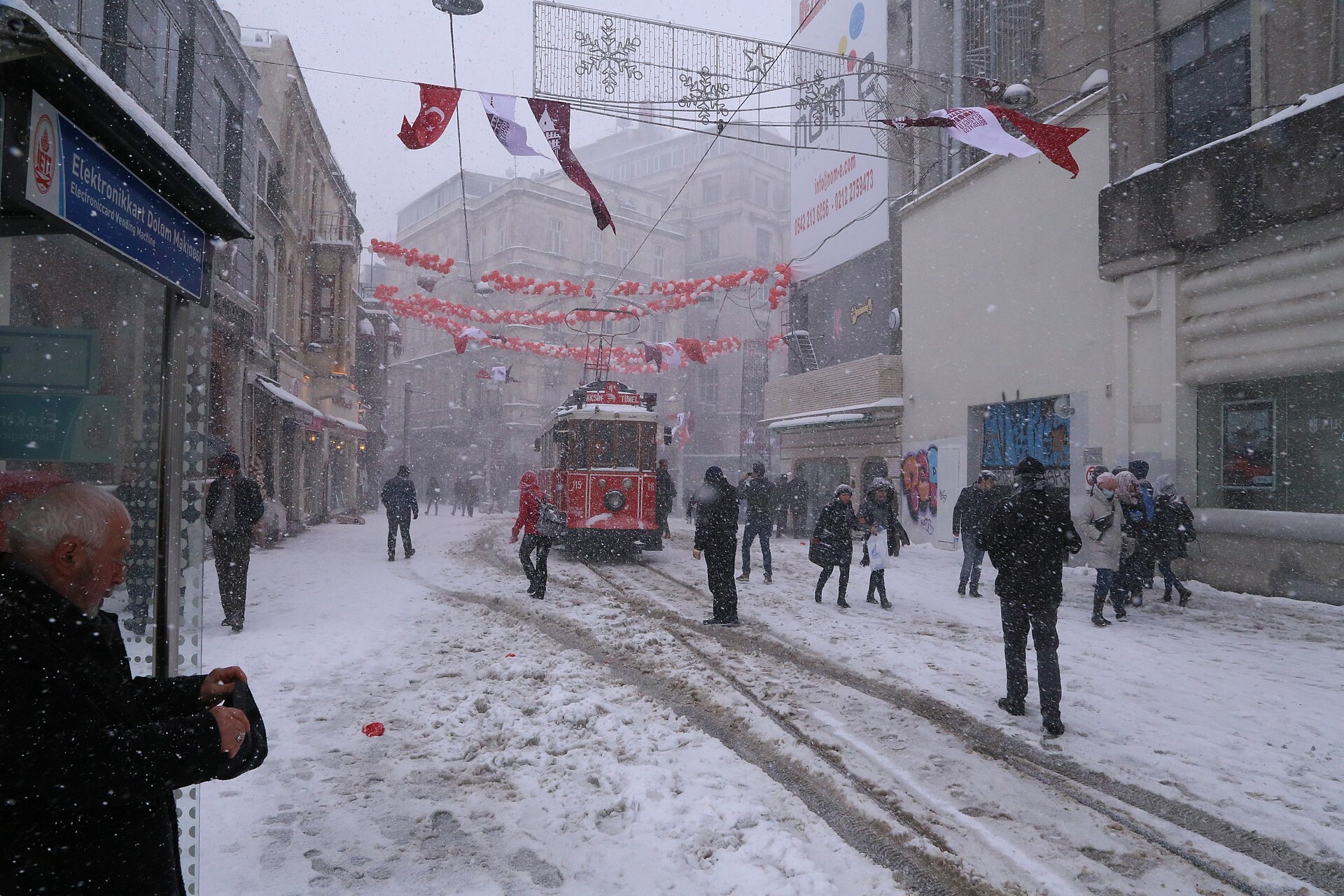
Turkish cities are well served by public transport. In Istanbul, a single rechargeable İstanbulkart covers the metro, trams, funiculars, buses and — best of all — the ferries that cross the Bosphorus and the Golden Horn, which double as sightseeing for the price of a fare. Other cities such as Izmir and Antalya have their own trams and bus networks.
For shorter hops, taxis are widespread and ride-hailing apps operate in the larger cities. Taxis are cheap by many visitors’ standards, but agree the fare in advance or insist that the driver runs the meter, since overcharging tourists is the most common minor gripe.
Ferries and the water
Along the coast and around Istanbul, boats are transport as much as sightseeing. The Bosphorus and Golden Horn ferries shuttle commuters between the European and Asian sides of Istanbul and cost no more than a bus, yet deliver one of the finest views in the city. On the Aegean and Mediterranean, seasonal ferries and water taxis link resort towns and reach spots that are slow to get to by road, and short international crossings run to some nearby Greek islands. Where a boat exists, it is often the most pleasant way to make the trip.
Practical tips for the road
A few small things smooth out getting around. Buy and top up an İstanbulkart (or the local equivalent in other cities) as soon as you arrive, since it works out cheaper than single fares and covers almost everything. Book buses and internal flights a little ahead in the busy summer months, when popular routes fill up. And leave realistic margins for the sheer scale of the country — journeys that look short on a map can take a good deal longer on the ground, so it is worth checking real travel times before you commit to an ambitious day.
Putting it together
Most well-planned trips mix the modes: a flight to bridge two far-apart regions, buses or a hire car to explore locally, and city transit or ferries once you arrive. Start from the destinations overview to see how far apart your chosen places are, and the right combination usually becomes obvious.