
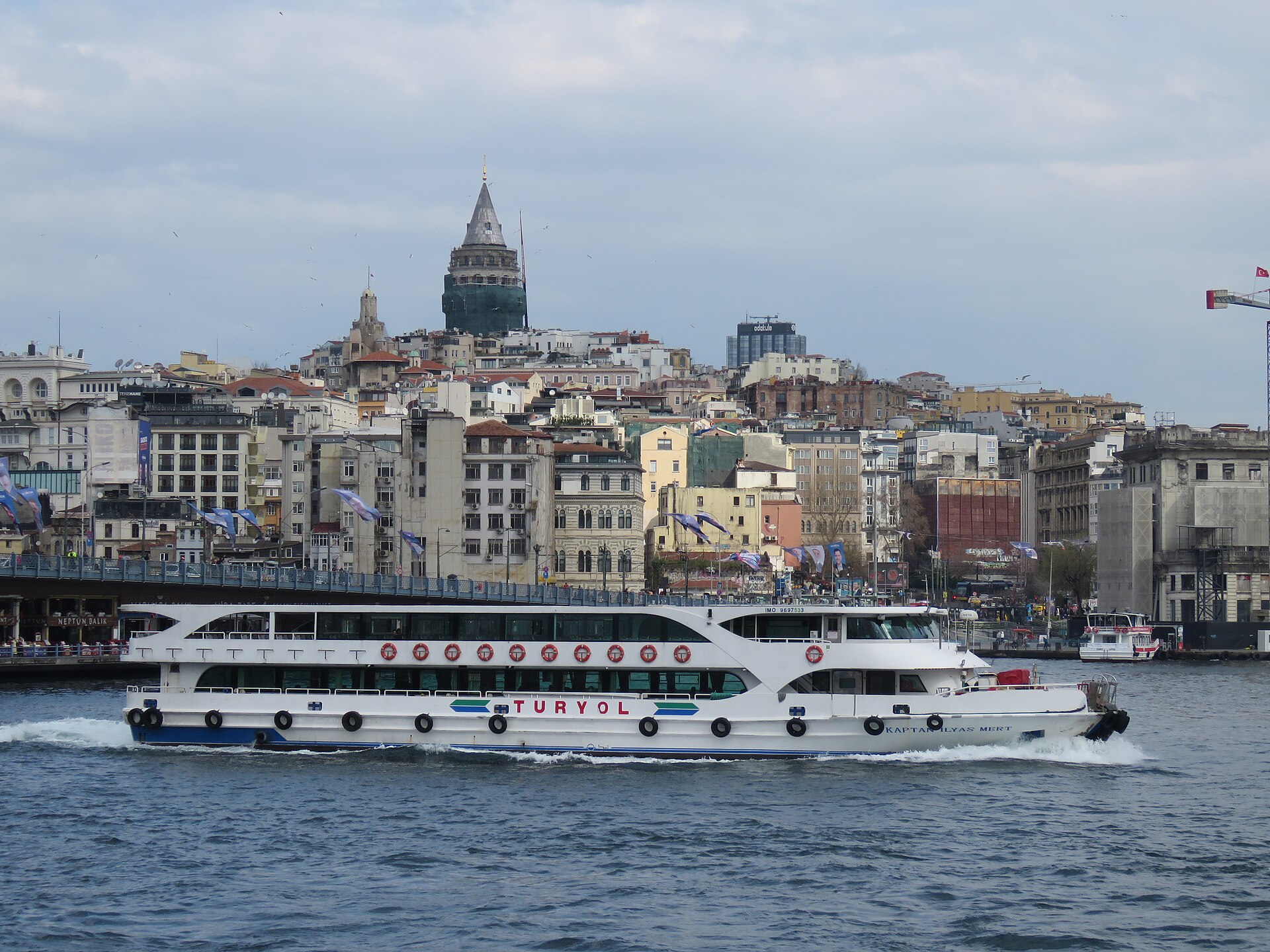
Turkey is, for the vast majority of visitors, a safe and welcoming place — millions travel there every year and come home with nothing worse than an empty wallet from the bazaar. That said, sensible travellers go informed rather than complacent. The aim here is a balanced picture: the real risks are mostly small and manageable, but they are worth knowing.
Everyday safety: petty crime and scams
The most likely problem you will meet is petty theft. Pickpockets work crowded bazaars, busy transport and tourist crush-points, so keep valuables secure and your bag in front of you in a throng. Violent crime against tourists is rare.
More common than theft are tourist scams, and a few are worth recognising:
- Overcharging. Unmarked prices in tourist areas can balloon. Ask the price before you order or buy.
- Taxi tricks. Some drivers avoid the meter, claim it is broken, or take the scenic route. Insist on the meter or agree a fare in advance; ride-hailing apps sidestep the problem in bigger cities.
- The friendly-stranger setup. A sociable local strikes up conversation, suggests a drink at a bar he knows, and you end up facing a wildly inflated bill, sometimes with intimidation. Be politely cautious about unsolicited invitations from people who approach you in the street.
None of this is unique to Turkey, and a little awareness defuses almost all of it.
Traffic and getting around
One genuine, underrated risk is traffic. Driving can be assertive and pedestrian crossings are not always respected, so take real care crossing roads and stay alert as a passenger. If you hire a car, drive defensively and be prepared for a faster, more improvised road culture than you may be used to.
Solo and female travellers
Turkey is travelled successfully by plenty of solo visitors, including women, especially along the established tourist routes where people are used to foreign travellers. The usual sensible measures apply. In conservative and rural areas, dressing more modestly — covering shoulders and knees — is both respectful and reduces unwanted attention, while normal swimwear is fine at the coast and resorts. Stay aware after dark, keep to busier areas at night, and be firm and unembarrassed about brushing off hassle. Most encounters are simply friendly.
Earthquakes
Turkey sits on active fault lines and is seismically active, with a history of significant earthquakes. This is a fact of the geography rather than a reason to stay away — but it is sensible to be aware of it, to know the basic drop-cover-hold response, and to take note of any guidance from your accommodation.
Regional advice and border areas
The one clear geographic caution is the south-eastern border with Syria: the immediate frontier zone is best avoided, and travel advice for parts of the south-east differs from the rest of the country. The tourist heartlands — Istanbul, the coast, Cappadocia and the classical sites — are a world away from this and are visited freely.
Health and the practical stuff
Beyond crime, the everyday risks are the ordinary travel ones. Stomach upsets from unfamiliar food or, in some areas, tap water are the most common complaint, so many visitors stick to bottled or filtered water and ease into the street food. Summer brings strong sun on the coast, where shade, water and a sensible pace matter more than people expect. Pharmacies are widespread and well stocked, and pharmacists can advise on minor issues, but travel insurance that covers healthcare is worth arranging before you go.
Keep it in proportion
It is easy for a safety page to read more anxiously than the reality warrants. In practice, the tourist regions of Turkey are used to visitors, well policed and welcoming, and the overwhelming majority of trips involve nothing worse than a haggle that got away from you. Take the same precautions you would in any busy destination, stay aware in crowds and around traffic, follow official advice on the few regions it flags, and you can travel here with genuine confidence.
Check official advice before you go
The most reliable, up-to-date safety information comes from your own government’s travel advisory, which is kept current and covers specific regions in detail. Read it before you book and again close to departure. With that done, you can plan with confidence — start with our destinations overview to focus on the parts of the country most travellers spend their time in.