
Antalya is the practical base for the Turkish Riviera — the Mediterranean coast Turkey calls the Turquoise Coast. It pairs a genuine city, with an Ottoman old town and a first-rate museum, with a run of ancient ruins that count among the best in the country. Here’s how to plan a trip that uses all of it, whether you’ve got a long weekend or a full week.
Start with the old town
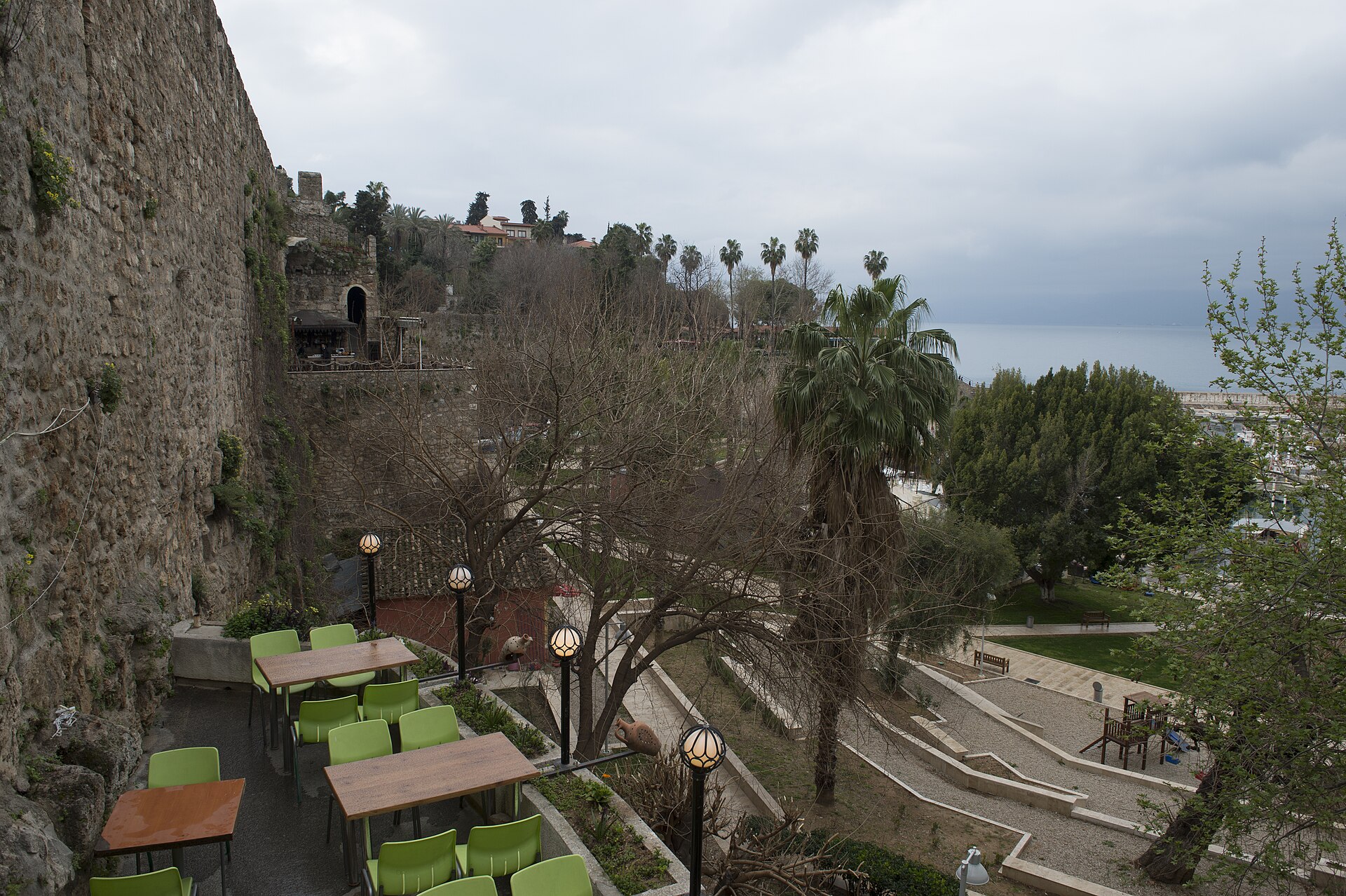
Give your first day to Kaleiçi, the walled old quarter that tumbles down the cliff to the harbour. It’s a compact grid of restored Ottoman houses, cafés and shops laced with fragments of Roman and Seljuk wall, and you can see the best of it on foot in a morning. Walk in through Hadrian’s Gate, a marble Roman gateway, and work your way down to the old harbour, a small horseshoe marina where boat trips leave along the coast. The clifftop tea gardens by Hıdırlık Tower give you the view over the bay to the Taurus mountains.
Be realistic about the crowds: Kaleiçi leans hard into tourism and the central lanes get busy in high season. Walk them early or late, keep off the one obvious main drag, and the quarter is a pleasure. For a fuller picture of the city, our Antalya overview sets out the districts and sights.
Before you head out to the ruins, spend a couple of hours in the Antalya Museum. It holds the finest finds from the surrounding ancient cities — a hall of Roman statues from Perge chief among them — and seeing them first makes the sites themselves read far better.
The beaches, honestly
Antalya has two city beaches with very different characters. Konyaaltı, west of the centre, is a long pebble beach with the cleanest backdrop on the coast: the Beydağları mountains rising straight out of the sea. Lara, to the east, is the sandy one, backed by a wall of resort hotels. Both give you the warm, blue Mediterranean water the region is known for. The one thing to plan around is that Konyaaltı is stones, not sand — bring water shoes if that’s a dealbreaker, or lean towards Lara and the resort beaches.
Close to the city, the Düden Waterfalls are worth an hour: an upper falls in a shaded park you can walk behind, and a lower falls that drops straight off a cliff into the sea, best seen from a boat trip out of the harbour.
The best day trips
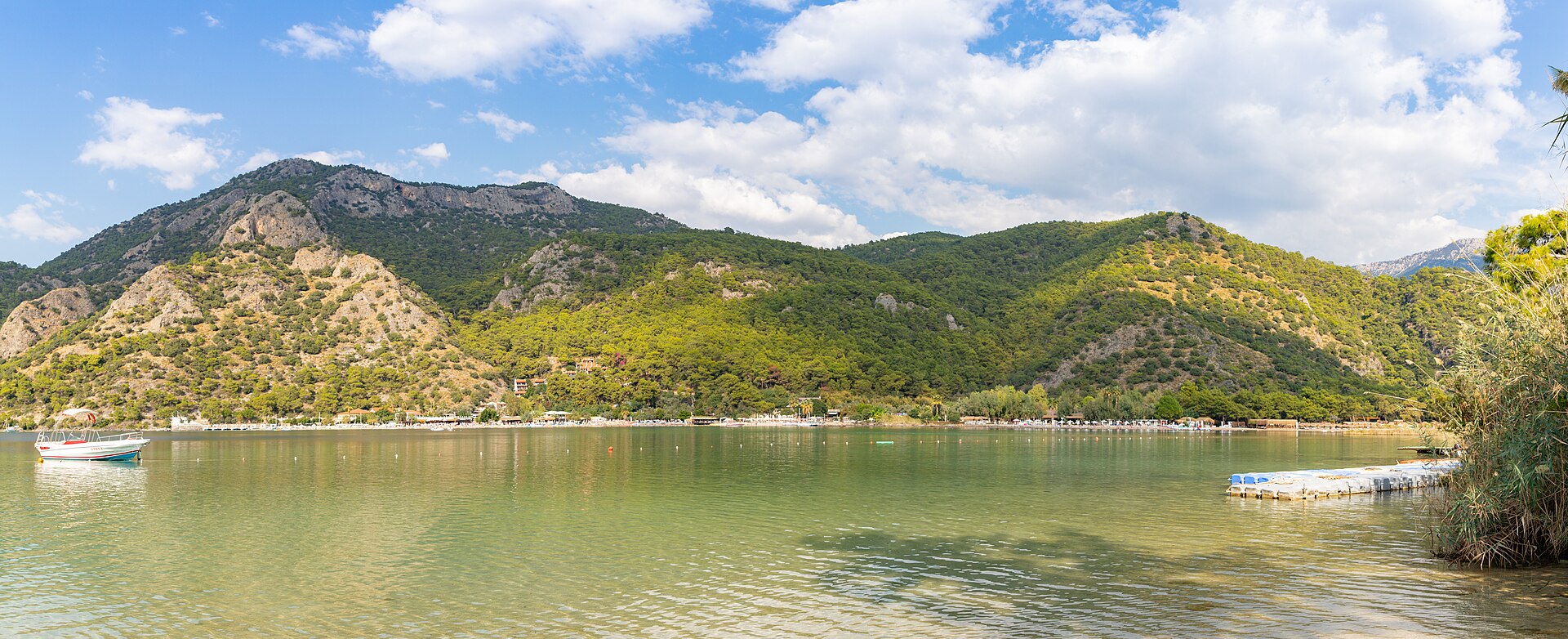
The real case for Antalya is what’s within a day’s reach. This was ancient Pamphylia, and its ruins are exceptional. You can do them by rental car, but guided day tours are the simplest way to reach the scattered sites — see our Antalya tours for options.
- Aspendos — the best-preserved Roman theatre in the Mediterranean, a near-complete auditorium that still seats thousands. Start here if you only do one.
- Perge — a sprawling classical city with a colonnaded street, stadium and baths, whose finest statues now live in the Antalya Museum.
- Side — Roman ruins wrapped around a beach resort, with a temple to Apollo standing on the point, columns against the sea. Touristy, but the setting is memorable.
- Termessos — a remote mountain city Alexander chose not to besiege, its tombs and theatre scattered across a high pine ridge. It takes a walk uphill and rewards it with the most atmospheric ruins of the group.
For an active day, the Köprülü Canyon inland is the region’s white-water rafting run — easy, cooling and family-friendly.
Where to base yourself
The main planning choice is city or resort, and it shapes the whole trip.
Base yourself in Antalya, ideally in a small Kaleiçi hotel, and you’re within walking distance of the old town, the museum and the beaches, with every day trip on your doorstep. It’s the natural choice for a sightseeing-led holiday.
Base yourself in a resort — Belek for golf and luxury, Kemer where the mountains meet the sea, or Side and Alanya further east — and you trade that convenience for a pool, a private beach and, often, all-inclusive board. It suits a slower, beach-first trip where the ruins are an occasional day out rather than the main event. Our where to stay in Antalya guide breaks the areas down by what you want from your days.
When to go
May to June and September to October are the best windows. The sea is warm, the ancient sites are walkable without wilting, and the crowds ease off from their peak. July and August bring dependable heat and packed beaches in equal measure — great for a pool holiday, punishing for a full day tramping around Aspendos, where shade is scarce. Spring and autumn are the sightseer’s seasons here; the resort machinery runs right through the summer regardless.
Getting there
Fly into Antalya Airport (AYT), one of the busiest in Turkey and served by direct charter and scheduled flights from across Europe through the warm months. It’s a short transfer to the city, and resorts run their own airport shuttles. In the city, the tram and taxis handle the centre and the beaches; for the ruins, book a guided tour or hire a car for the day. From there, the plan writes itself — old town, museum, a beach afternoon, and the great ancient sites of the coast within easy reach.