
Istanbul rewards a plan. The great sights sit close together but draw big crowds, the city spreads across two continents, and the heat in summer can wear you down if you try to do everything on foot in a day. Here’s how to spend three or four days, roughly in the order most people enjoy them — and for the wider picture, start with our Istanbul overview.
Start with Hagia Sophia and the Blue Mosque
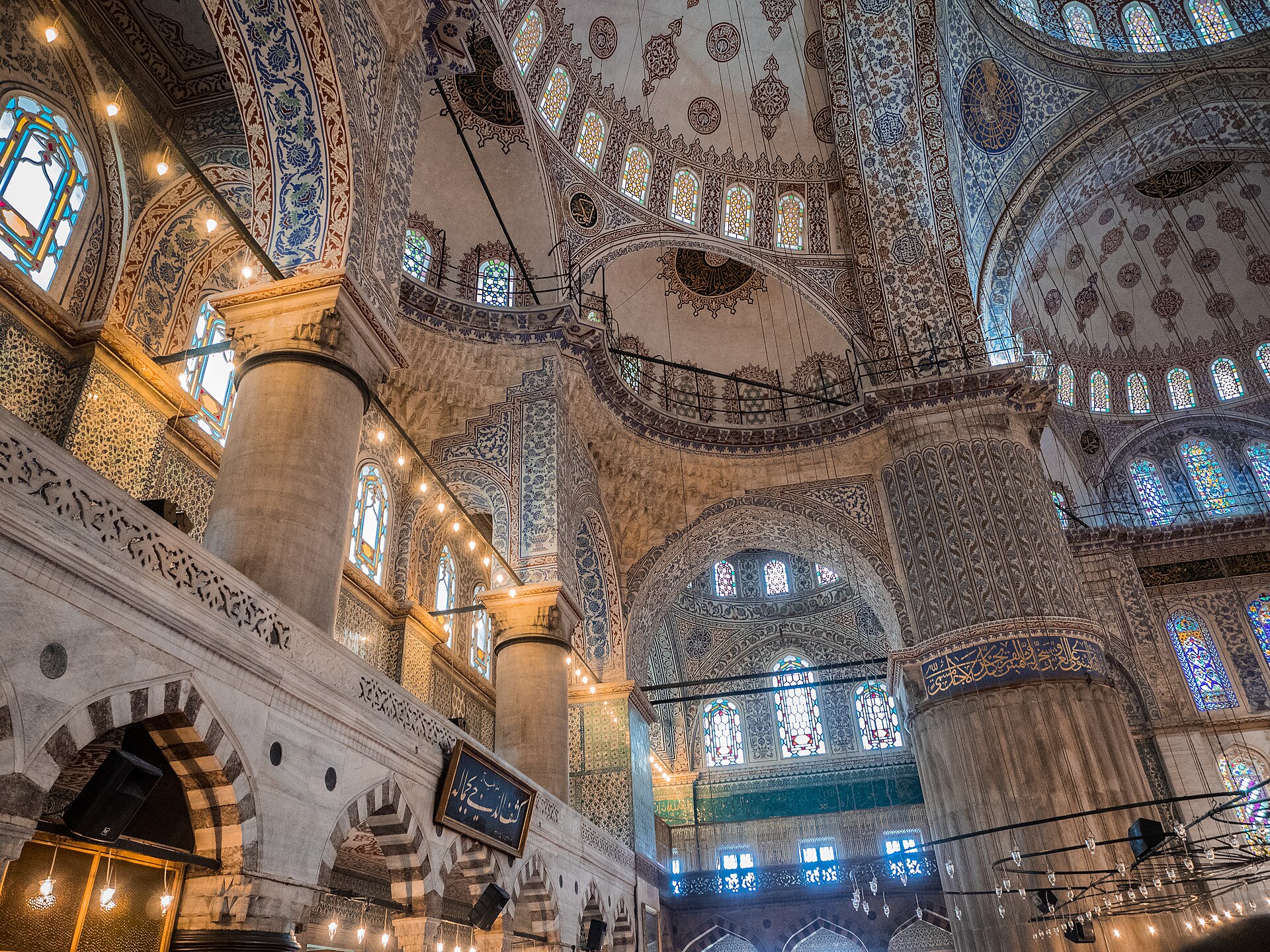
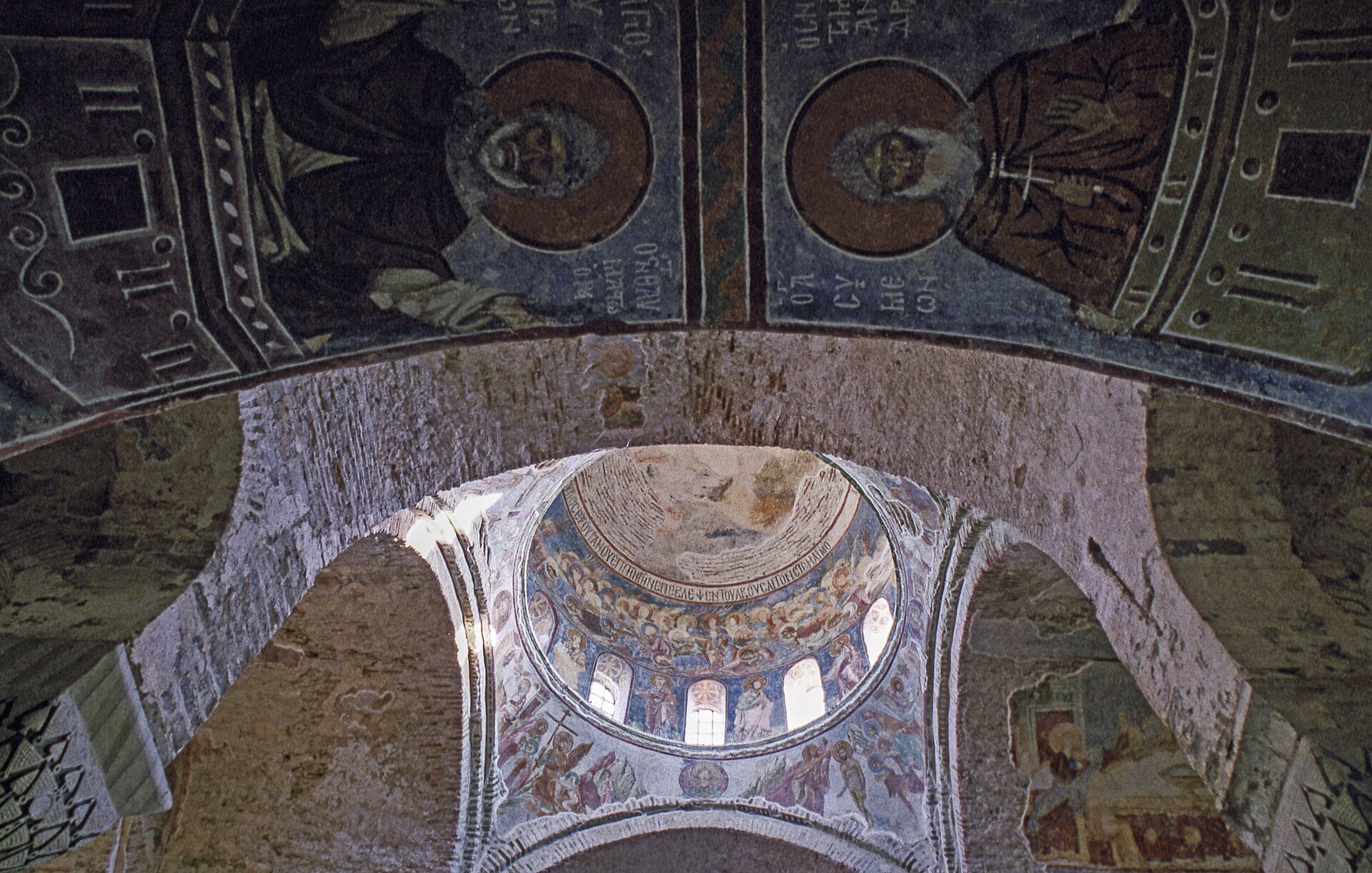
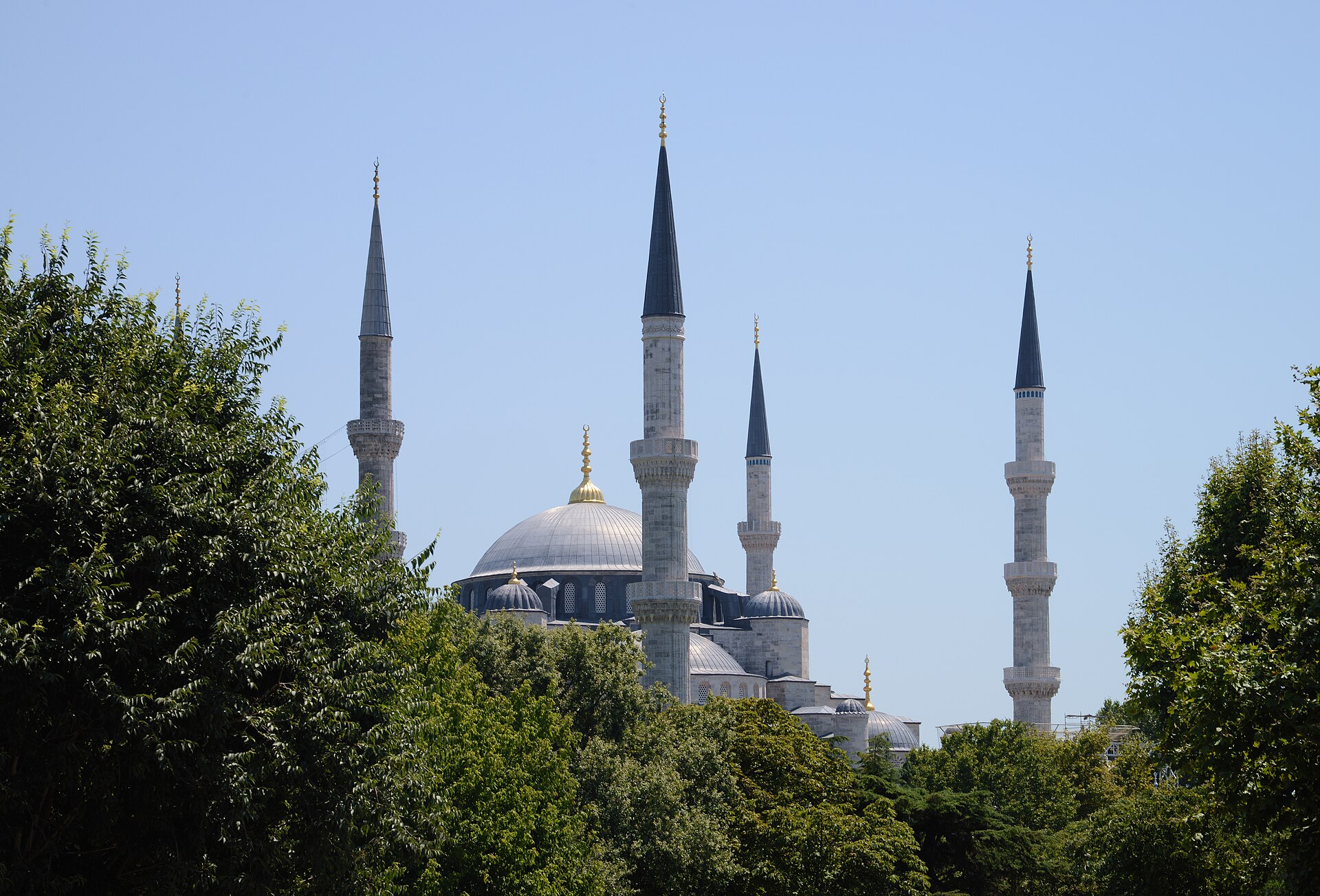
Get to Hagia Sophia early, before the queues thicken. Built as a Byzantine church in the sixth century, turned into a mosque, run for decades as a museum and now a working mosque again, it holds all of those lives under one enormous dome. Entry is free, but it closes to visitors during prayer times, so check before you set off. Across the park, the Blue Mosque answers it with six minarets and walls of blue İznik tiles. Both are active places of worship: cover shoulders and knees, bring a scarf, and slip your shoes off at the door.
Give Topkapı Palace a morning
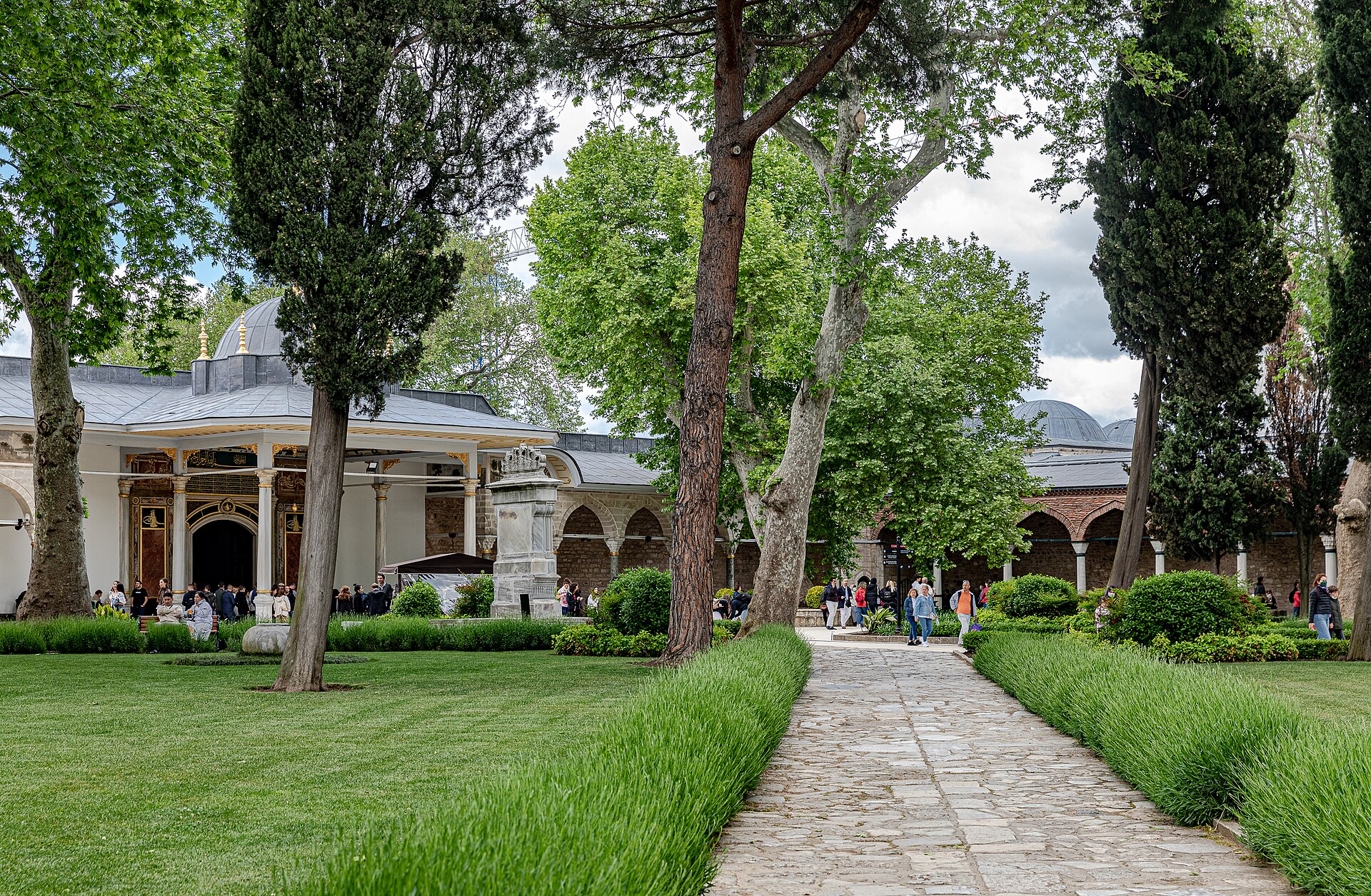
Topkapı Palace ran the Ottoman Empire for centuries, and it’s less a single building than a series of courtyards, treasuries and pavilions looking out over the water. Pay the extra for the Harem — it’s the part most people talk about afterwards. In high season the entrance queue is long, so a skip-the-line or guided ticket earns its cost here more than almost anywhere else in the city. Our Istanbul tours page lists guided options that bundle the palace with Hagia Sophia.
Go underground at the Basilica Cistern
The Basilica Cistern is a sixth-century Byzantine reservoir buried beneath the old city — a hall of columns rising out of shallow water, lit low, with two Medusa heads reused as column bases in one corner. It’s short, atmospheric and, on a hot afternoon, a genuine relief from the heat above ground. It sits a couple of minutes’ walk from Hagia Sophia, so it slots neatly into the same morning.
Take a Bosphorus cruise
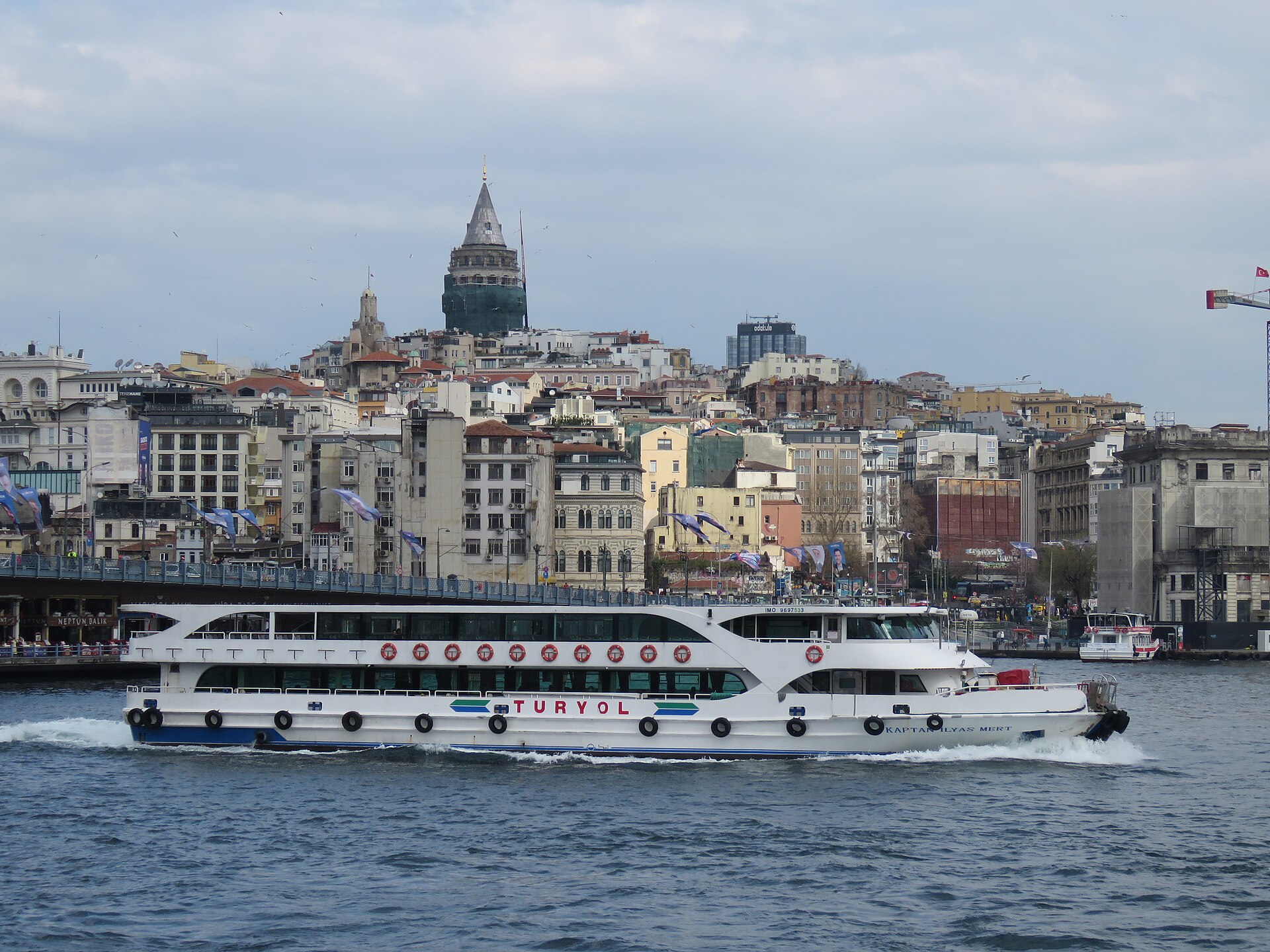
If you do one thing beyond the monuments, get out on the water. A Bosphorus cruise shows you the city the way it was built to be seen — Ottoman palaces and old wooden mansions along both banks, the suspension bridges overhead, and the strait itself dividing Europe from Asia. You can pay for a longer guided boat, but the cheapest version is the public commuter ferry, which does the same trip for the price of a tram ride.
Lose an hour in the bazaars
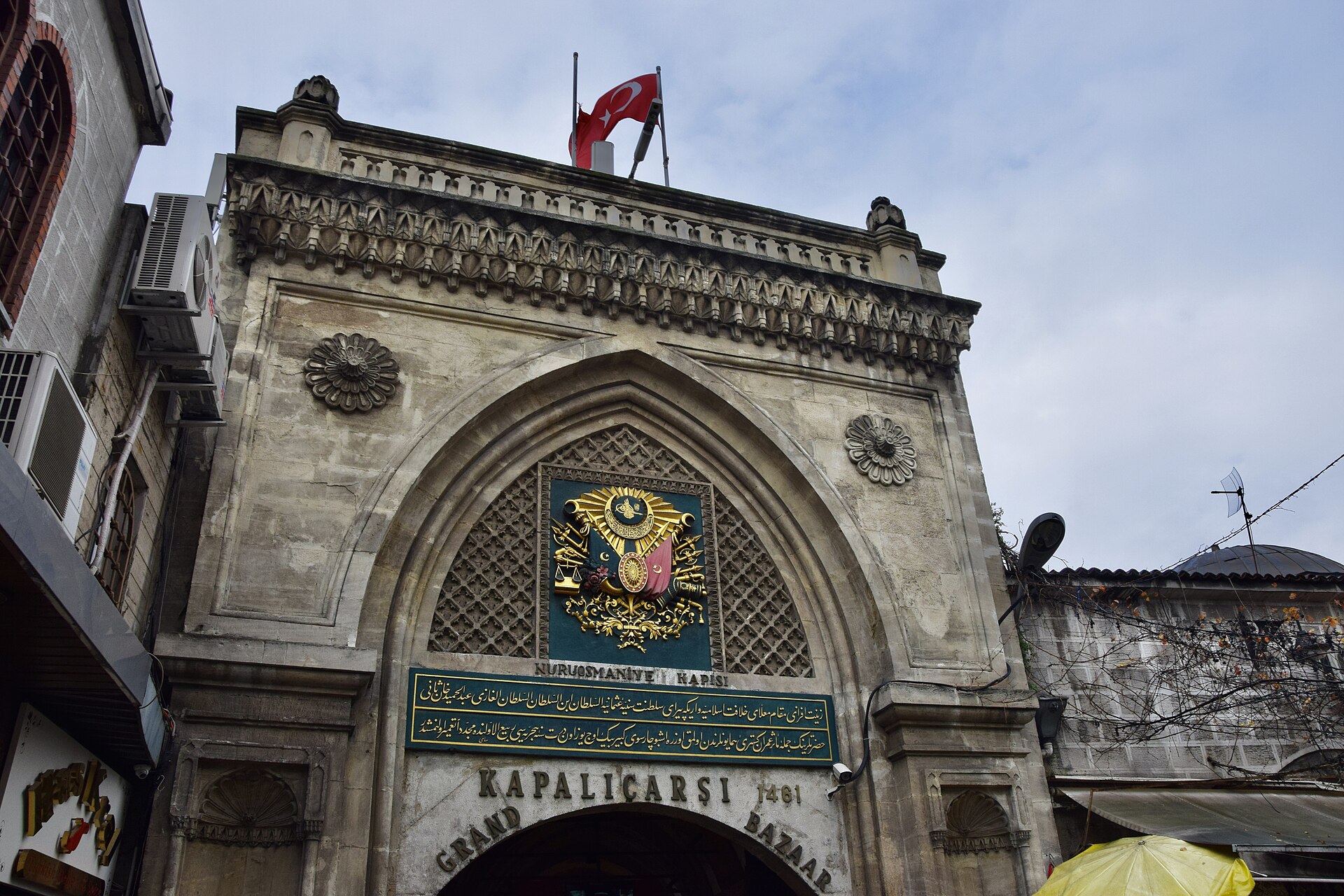
The Grand Bazaar is a covered maze of around four thousand shops — carpets, lamps, gold and a great deal of it aimed at tourists. Treat it as a place to wander rather than a shopping list, haggle gently, and don’t feel obliged to buy. For something more useful to carry home, the smaller Spice Bazaar down by the water is better for Turkish delight, tea and saffron, and easier on the nerves.
Cross to the Asian side
Most visitors never leave the European shore, which is their loss. A twenty-minute ferry from Eminönü or Karaköy drops you in Kadıköy, where Istanbul eats and drinks like a local — a produce market, fish restaurants and bars with no tour groups in sight. Quieter Üsküdar next door is more traditional, with mosques right on the waterfront. The ferry ride alone is worth the trip, and in summer the same boats carry on to the car-free Princes’ Islands for an easy day out of the city.
See the view from Galata
North across the Golden Horn, the medieval Galata Tower gives you the classic panorama back over the old city and the water — best at the end of the day, though the queue for the lift can be slow. The streets around it, in Karaköy and Beyoğlu, are where the city does its evenings, so it’s a natural place to end up for dinner. If you’re deciding where to base yourself for all this, our where to stay in Istanbul guide breaks the neighbourhoods down by what each one is good for.
A few practical notes
Spring and autumn are the most comfortable times to walk a city that asks a lot of your feet; summer is hot and crowded. Buy an İstanbulkart on arrival — it works on the trams, metro and ferries and saves you paying per ride. And build the mosque prayer times into your day rather than fighting them: they’re short, they’re predictable, and they’re a decent excuse to stop for a glass of tea.